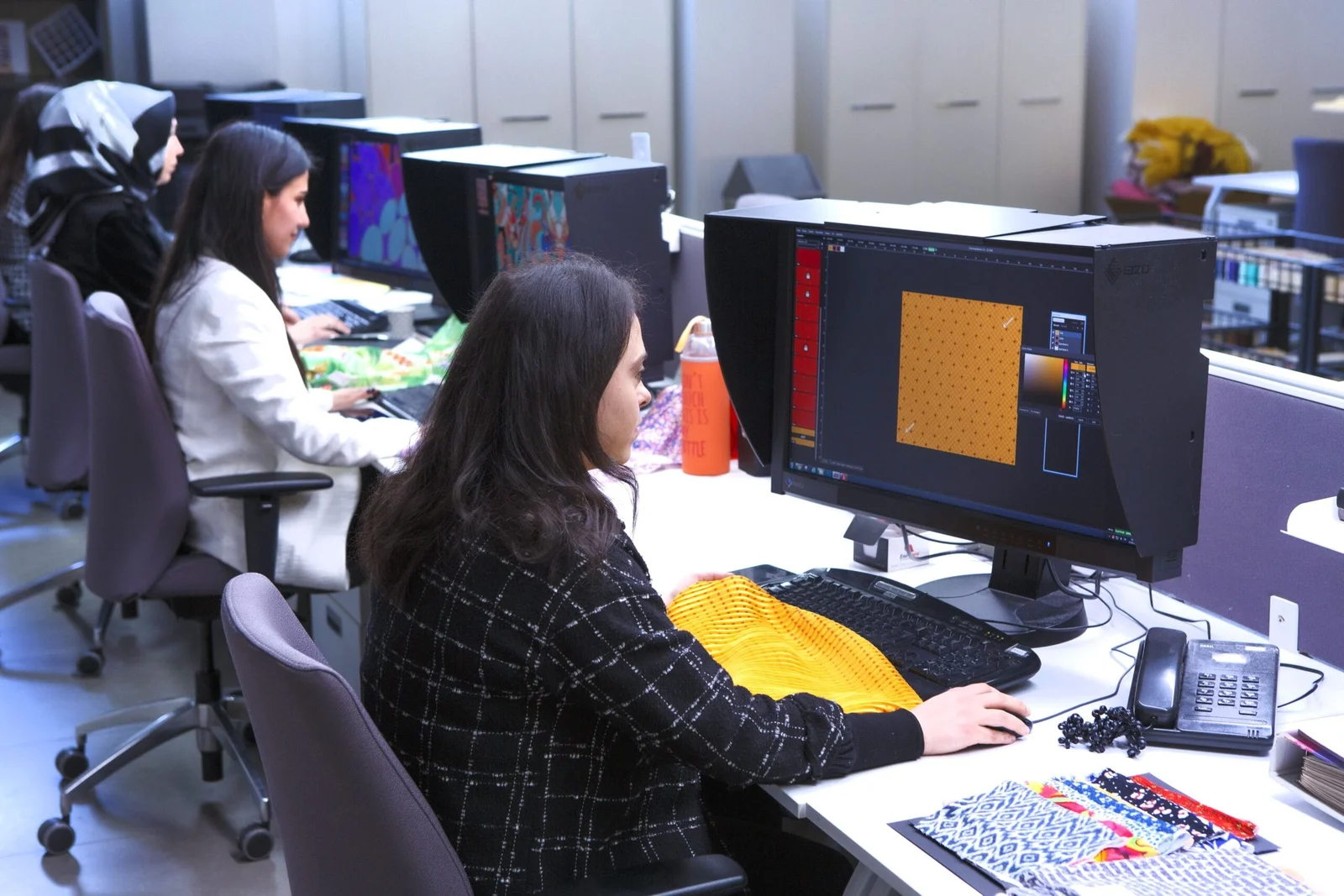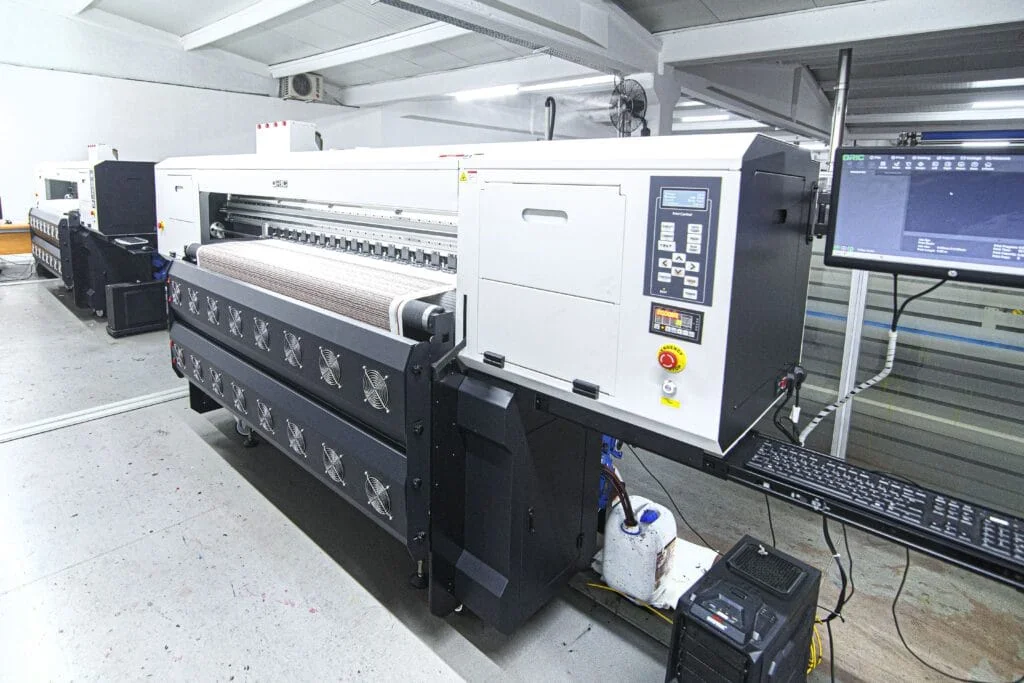

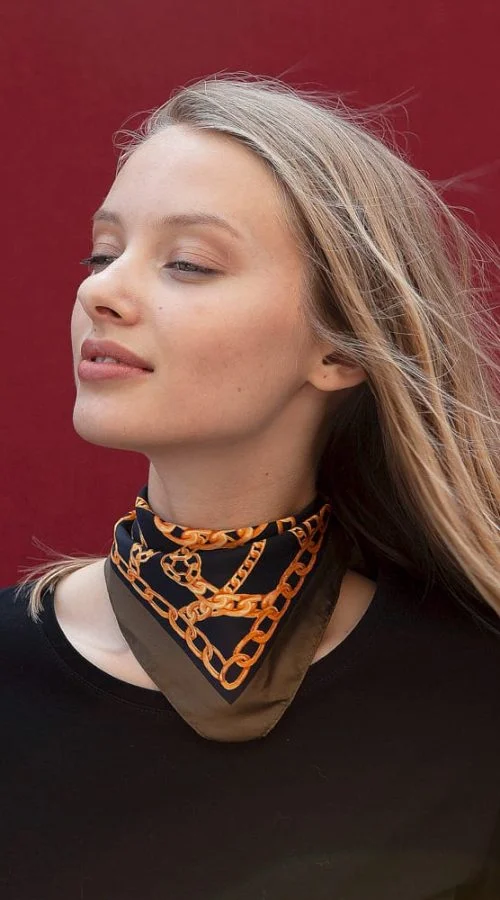
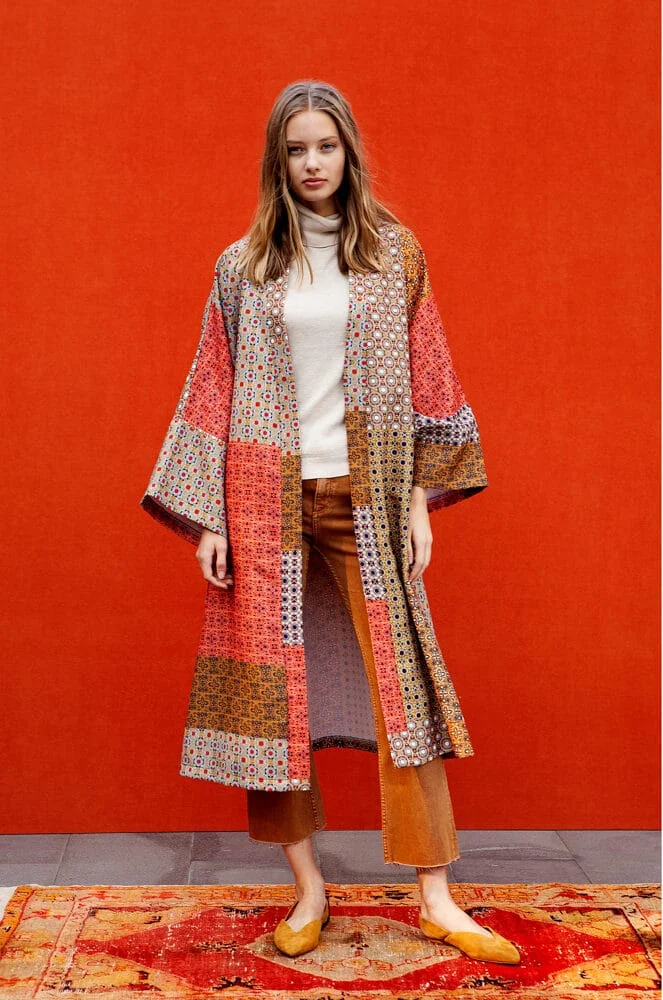
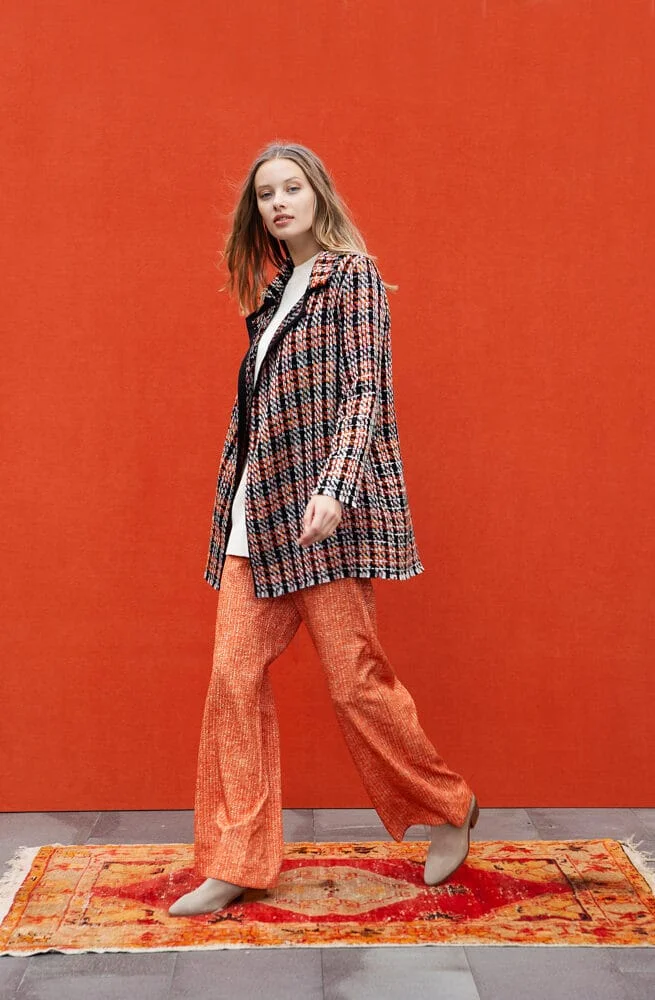
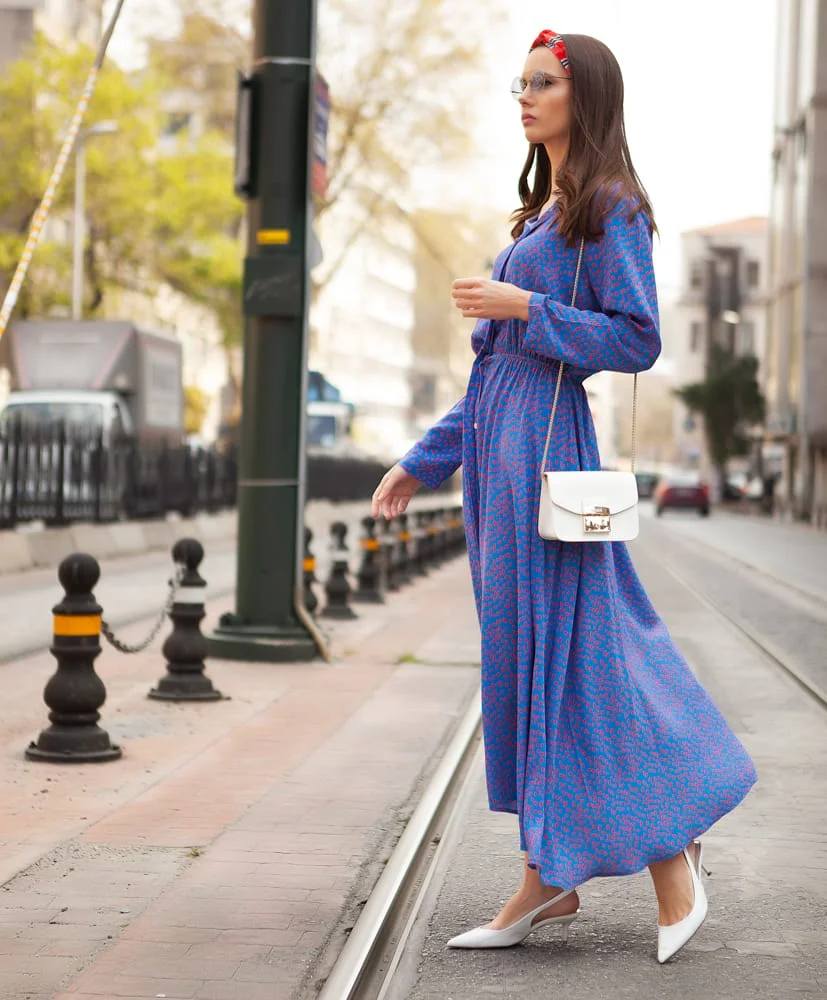

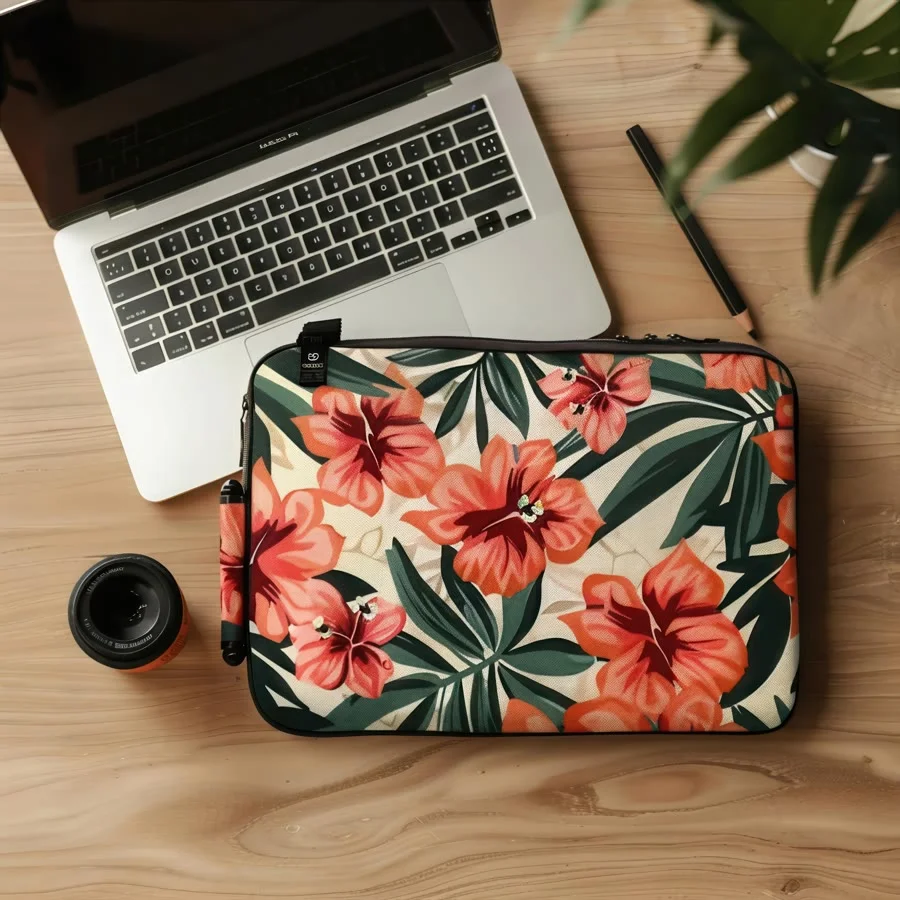
Every fabric brief eventually comes down to the same question: sublimation or screen print? Get it right and the fabric holds its colour for the life of the product. Get it wrong and you’re reprinting a container load six weeks before a launch date. After four decades on the production floor, our answer is never “it depends” — it’s a short list of questions with real, checkable answers. This is that list.
How Sublimation Printing Actually Works
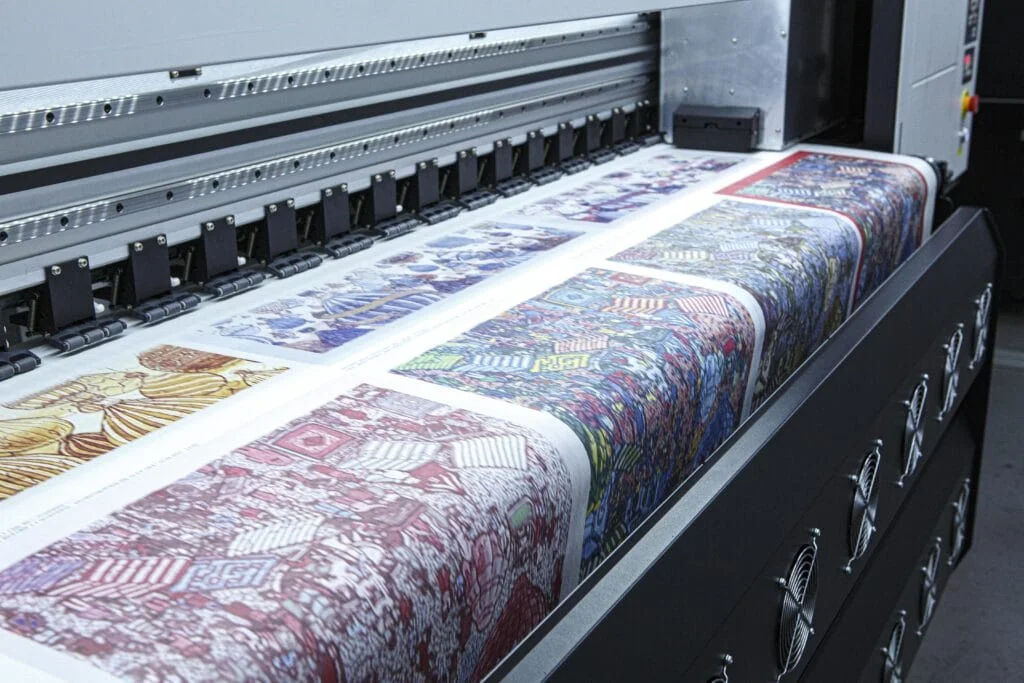
Sublimation prints the design onto transfer paper using dye-based ink, then presses it against the fabric under heat and pressure. At around 200°C, the dye turns straight from solid to gas — skipping the liquid stage entirely — and bonds into the open fibres of the polyester as they soften. The colour doesn’t sit on top of the fabric; it becomes part of it. That’s why a well-run sublimation print never cracks, peels or fades from washing the way a surface-applied ink can.
Where Sublimation Wins
- Unlimited colour and photographic gradients, with no extra plate cost per colour
- Best suited to 100% polyester and poly-blends above 80% polyester content
- A soft hand-feel — the dye becomes part of the fibre, not a layer sitting on top
- Fast changeovers, so short runs and frequent design updates stay affordable
“The best print process is the one your fibre can actually hold onto — chase colour fastness first, fashion second.”
Phil Martinez
Screen Printing: Built for Bold, Repeatable Colour
Screen printing pushes ink through a stencilled mesh screen, one colour at a time, directly onto the fabric surface. Every screen is a fixed cost, so the economics only work once a colour is locked and the run is long enough to spread that cost thin. In exchange you get something sublimation can’t promise on natural fibre: an exact Pantone match, run after run, on cotton, canvas and heavy blends where a sublimation transfer simply has nothing to bond to.
Where Screen Print Wins
- Exact Pantone and spot-colour matching, held consistently across every reorder
- Works on cotton, canvas and heavy blends where sublimation can’t bond
- Lower cost per unit once volume clears the plate and screen setup
- Higher opacity — prints stay visible on dark or heavily textured base fabric
A 5-Question Decision Framework
Before a single sample is cut, we run every new fabric program through the same short checklist. It takes ten minutes and it settles the process argument before it starts.
- What’s the fibre content of the base fabric?
- What’s the order volume, and how often will you reorder?
- How many colours or gradients does the design actually need?
- Where does the finished product live — indoor apparel, or outdoor and high-abrasion use?
- What’s the lead time to first shipment?
Quality Assurance Before Any Run Ships
Process choice is only half the job — the other half is proving it held. Every program starts with a lab-dip approval and a physical shade match against the brief, then every production lot runs through colourfastness and rub-resistance testing before it’s cleared. That’s the same battery of checks behind our wash, light and crock testing to the AATCC and ISO standards your buyers already ask for, documented in a QA dossier that ships with the order.
Choosing for Global Export
Process choice shows up again at the border. Dye-lot traceability, fibre-content labelling and country-of-origin documentation all read differently depending on whether a fabric was sublimated or screen printed, and compliance teams in the EU and North America check for it. Build that decision into the brief early, and export paperwork stops being a last-minute scramble. If you’re still weighing sublimation against screen print for an upcoming program, send us the fibre content, volume and target market — we’ll tell you which process actually fits, and quote it accordingly.
Tagged with :